
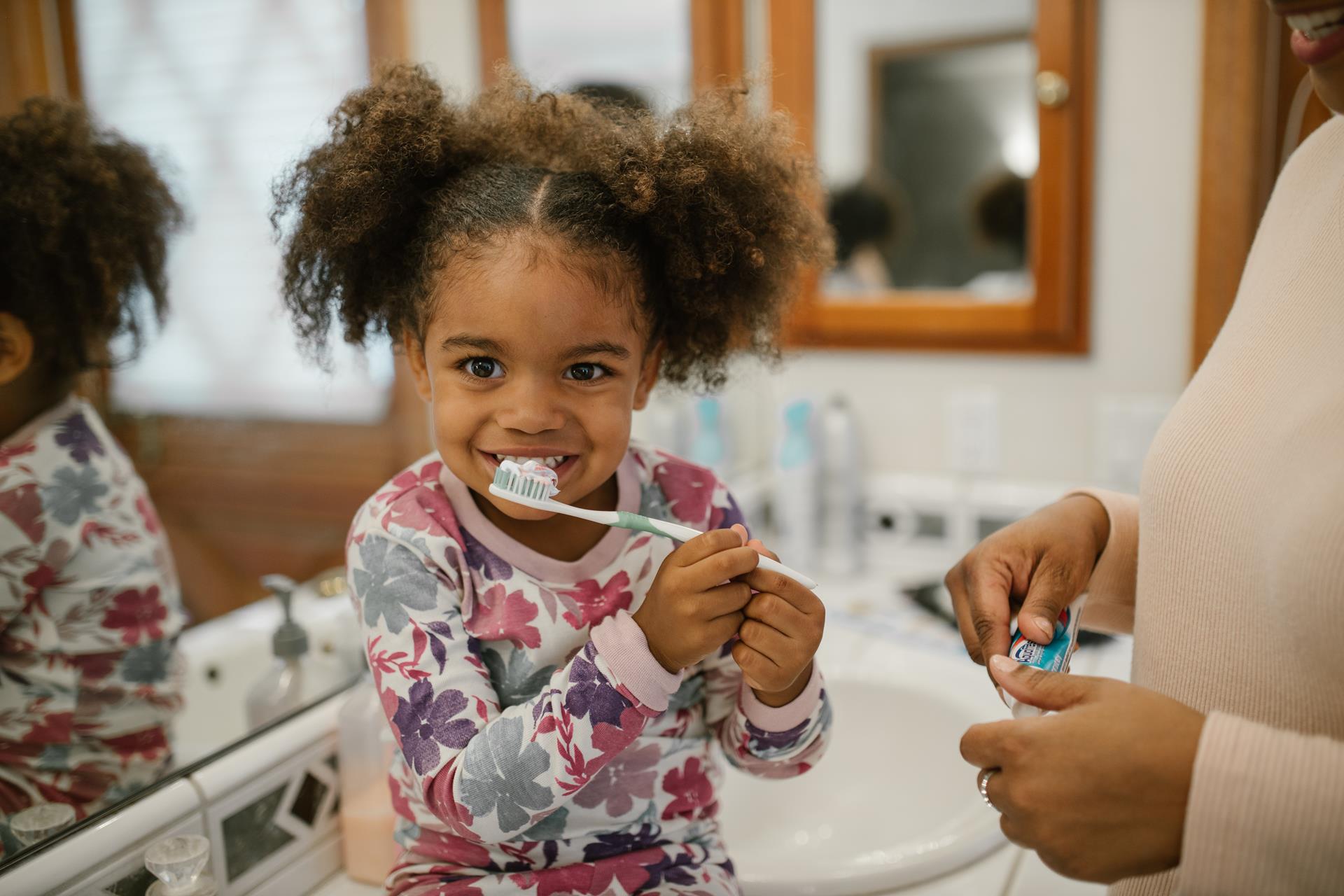
How to Brush Properly: Tips for Kids and Teens
Healthy brushing and flossing habits built in childhood last a lifetime. At Morning Star Children's Dentistry in Naples, FL , Dr. Rose Gedeon and our team teach kids, tweens, and teens the right techniques for a cleaner, healthier smile, including special tips for brushing with braces.
Request an AppointmentBrushing Basics for Every Age
Choose a soft-bristled, child-sized toothbrush and fluoride toothpaste: a rice-grain smear for children under 3 and a pea-sized amount for ages 3 and older. Brush twice a day for two full minutes, once in the morning and once before bed.
- Hold the brush at a 45-degree angle toward the gumline
- Use gentle, small circular motions rather than hard scrubbing
- Clean the outside, inside, and chewing surfaces of every tooth
- Brush the tongue to remove bacteria and freshen breath
- Spit out the toothpaste, but skip rinsing so fluoride can keep working
- Replace the toothbrush every three months or when bristles fray
Make Brushing Fun
Let your child pick a toothbrush in their favorite color or with a beloved character and a toothpaste flavor they enjoy. Turn two minutes into a game with a favorite song, a timer, or a brushing app. Younger children still need help, so plan to brush with them or check their work until around age 6. For more tips for little ones, visit our brushing for toddlers page.
Don’t Forget to Floss
Brushing cannot reach between teeth, where cavities often start. Begin flossing once a day as soon as two teeth touch. Kid-friendly floss picks or colorful floss can make it more appealing. Guide the floss gently between the teeth and curve it into a “C” shape around each tooth. Making flossing part of the bedtime routine, right before stories, helps it become a habit.
Brushing With Braces
Keeping teeth healthy during orthodontic treatment takes a little extra effort:
- Brush after every meal to keep food from getting stuck in brackets and wires
- Angle the brush above and below each bracket and clean where the teeth meet the gums
- Brush the brackets and wires themselves, not just the teeth
- Use an interdental brush or floss threader to reach tight spots
- Consider a water flosser to rinse away trapped debris
Good hygiene with braces helps prevent white spots and cavities so your teen’s smile looks its best when the braces come off. Fluoride treatments can add extra protection during this time.
Professional Care Completes the Routine
Even great brushers need regular dental cleanings and exams. Visiting Dr. Rose Gedeon twice a year allows us to remove buildup, check for early signs of decay, and coach your child on any areas they may be missing. Sealants can also protect hard-to-clean back teeth.
Call (239) 920-7827 today to schedule your child’s next visit at Morning Star Children's Dentistry.
Brushing and Flossing FAQs
How long should kids brush their teeth?
Children should brush for two minutes, twice a day. A timer or favorite song can help them brush for the full time.
How much toothpaste should my child use?
Use a rice-grain-sized smear for children under 3 and a pea-sized amount for children ages 3 and older.
At what age can my child brush without help?
Most children can brush on their own around age 6 or 7, but supervision is still helpful to make sure all surfaces are cleaned.
When should my child start flossing?
Start flossing once a day as soon as two teeth touch each other.
How do I brush with braces?
Brush after meals, angle the brush above and below brackets, clean the wires, and use interdental brushes or floss threaders for tight spaces.
Is an electric toothbrush better for kids?
Both manual and electric toothbrushes work well when used correctly. Some children brush more thoroughly and enjoy it more with an electric brush.
Should my child rinse after brushing?
Encourage your child to spit out extra toothpaste but avoid rinsing with water, so the fluoride stays on the teeth longer.